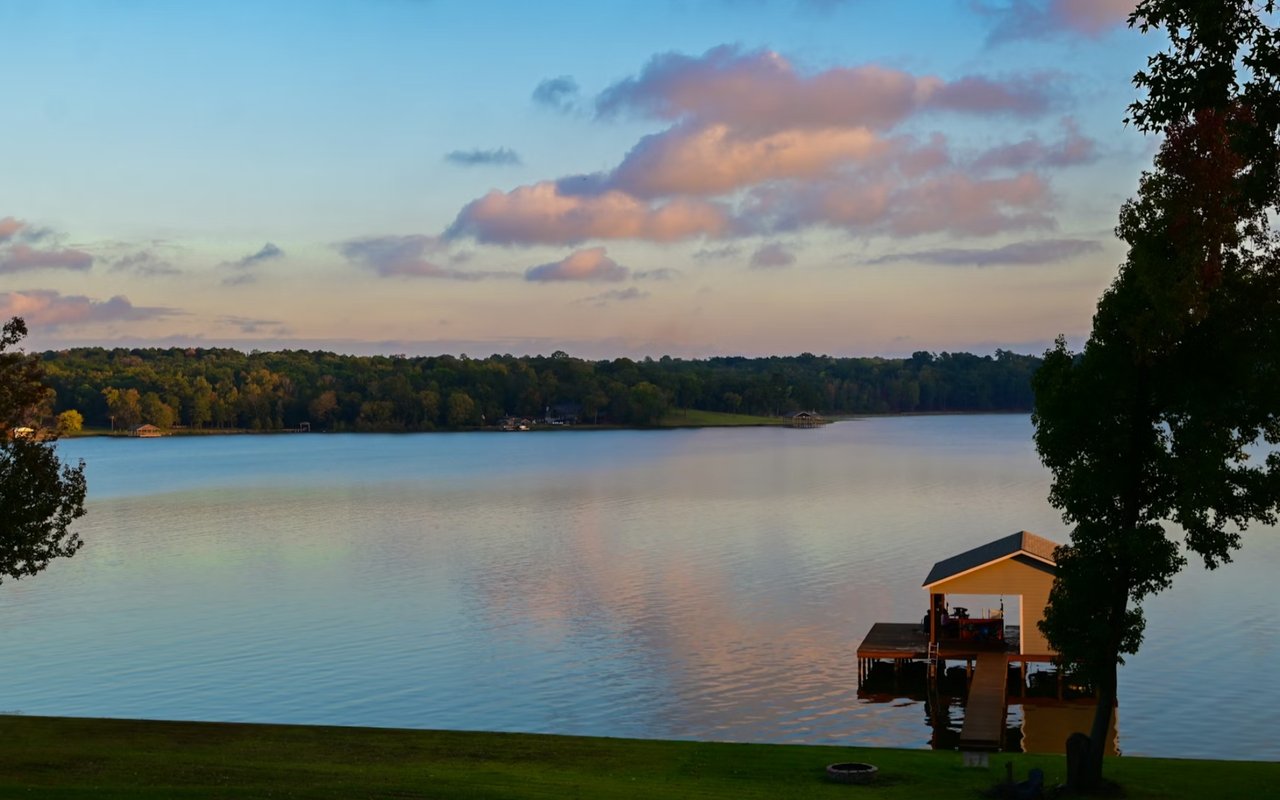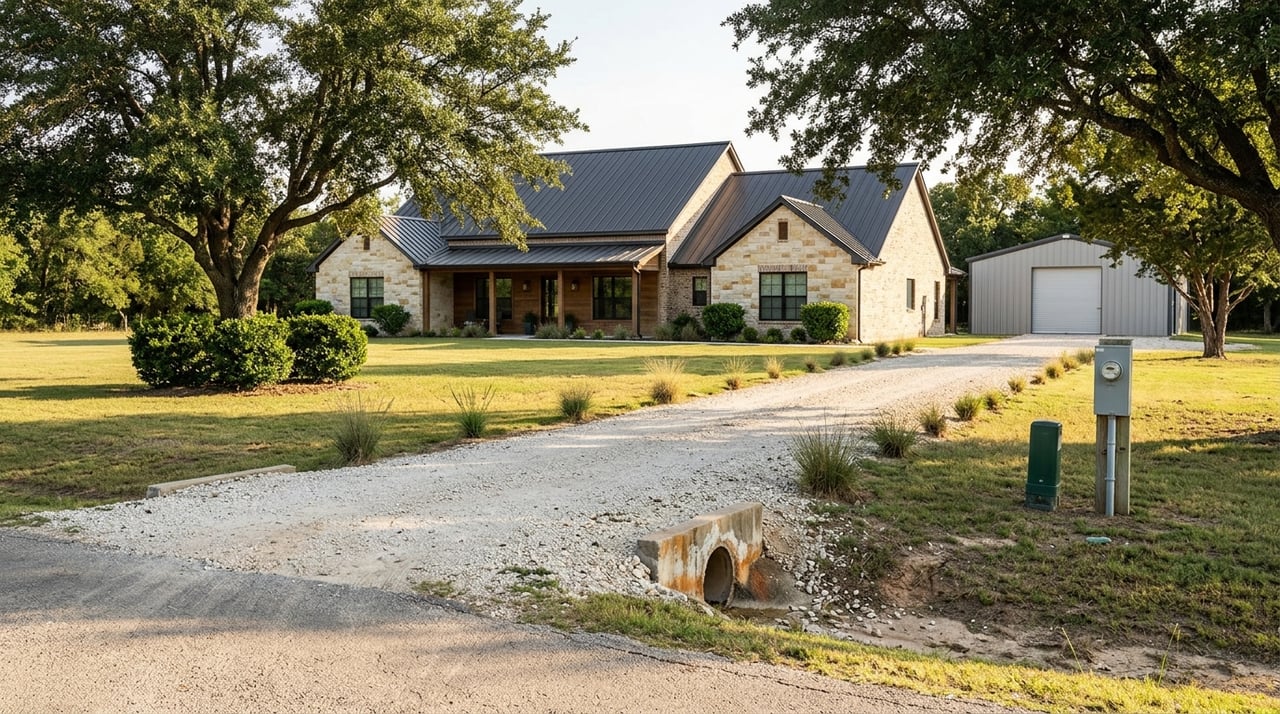
Are you dreaming about a few acres near Powell and Richland Chambers, only to realize that not all land works the same? In this part of Navarro County, a small acreage search can get complicated fast because access, zoning, septic, and shoreline rules can all affect what you can actually do with a property. This guide will help you sort through the biggest issues before you make an offer, so you can shop with more confidence and fewer surprises. Let’s dive in.
Why small acreage here is different
Richland-Chambers is not just a recreational lake setting. The Texas Water Development Board describes it as a water-supply reservoir on Chambers Creek and Richland Creek, and reports that it is the third-largest inland reservoir in Texas by surface area.
That scale shapes the land market around it. At the 315-foot conservation pool, the reservoir has 43,874 acres of water surface, and at the 317-foot surcharge level it reaches 45,500 acres. If you are looking near Powell in ZIP code 75153, that means the lake can influence zoning, permitting, and how a tract is used.
Know the 5,000-foot lakeshore zone
One of the first things to check is whether the property sits within Navarro County’s lakeshore zoning area. The county has a special zoning ordinance that applies to land within 5,000 feet of the reservoir’s normal shoreline at 315 MSL.
That matters because land in this belt is divided into multiple districts, including agricultural, single-family residential, multi-family, commercial, industrial, and planned development. So even if two properties look similar on paper, the rules may be very different depending on where they fall.
County land and city limits differ
Another early question is whether the property is in unincorporated county land or inside city limits. Around Richland Chambers, that distinction can change which rules apply and which office reviews your plans.
For buyers, this is a practical issue, not just a technical one. A tract outside city limits may follow county development steps, while a property inside a city may have a different review process entirely.
Start with access and legal addressing
Before you focus on views or price per acre, make sure the property has workable access. In unincorporated Navarro County, 911 addressing is based on the primary driveway, and buyers should expect to provide proof of ownership, a survey or site sketch, and the driveway location when seeking an address.
If the driveway connects to a state road, TxDOT approval is required. If access crosses someone else’s land, Navarro County requires a granted easement.
Not every tract already has an address
This catches many land buyers off guard. Navarro County says open land, temporary structures, and undeveloped property are not addressed until a structure is planned.
So if you are buying raw land near Powell, do not assume the absence of an address is a red flag. It does mean you should confirm what steps are needed before building.
Septic and water should be early due diligence items
Utilities are often the first real buildability test on rural land. In Navarro County, all septic systems require a permit, including new, modified, or repaired systems.
The county also states that septic systems must be permitted and installed by a licensed installer. That makes septic feasibility one of the most important questions to answer before closing on small acreage.
Groundwater can affect subdivision plans
Water source matters too, especially if a tract will rely on a well instead of a public system. The Texas Commission on Environmental Quality states that, effective January 1, 2024, counties and municipalities must require groundwater availability certification for proposed subdivisions when groundwater beneath the land is the water supply source.
If you are buying a tract that may later be subdivided, this requirement can become part of the review process. It is one more reason to match your long-term plan with the property’s actual utility options.
Compare restriction layers, not just acreage size
Around Richland Chambers, small acreage is not one simple category. Inland tracts, lots near the water, and true waterfront parcels can each come with different review standards.
That is why it helps to compare restriction layers side by side instead of looking only at acreage and price. A lower-cost tract is not always the easier tract to use.
Zoning can affect home type and use
Within the lakeshore zone, Navarro County’s use table separates mobile homes, modular homes, HUD-code manufactured homes, manufactured home parks, and RV parks. Some uses may require a Specific Use Permit.
This means the type of home you want and how you plan to use the property can be just as important as lot size. If your goal is flexible future use, you will want to verify that early.
Deed restrictions may be stricter
County zoning is only one layer. Recorded deed restrictions can add another set of limits that applies to the tract or subdivision.
Navarro County’s ordinance states that when subdivision deed restrictions already exist, priority goes to whichever is more restrictive: the deed restrictions or the zoning requirements. In plain terms, you need to read both.
Waterfront acreage has added review
If the property touches the lake or sits near the shoreline, there may be another authority involved. The Tarrant Regional Water District regulates District land and District water under its General Ordinance.
Its permit framework covers residential improvements such as docks, retaining walls, fences, utility crossings, encroachments, and on-site sewage facilities on District property. So for waterfront or shoreline tracts, your due diligence should include more than just county records.
Elevations matter near the shoreline
For Richland-Chambers, TRWD defines the reservoir’s spillway elevation as 315 feet and the flood flowage boundary on the reservoir margins as 320 feet. TRWD also notes that water above the conservation level is used for temporary flood storage and released downstream.
For you as a buyer, this means shoreline ownership can come with extra review related to docks, fill, shoreline work, and how improvements relate to the lake boundary. A waterfront tract may offer proximity and views, but it can also involve more permitting than inland acreage.
When a tract is being split or replatted
Some buyers find a great piece of land only to learn it still needs to be subdivided or replatted. In Navarro County, that process can require road construction plans, drainage plans, utility letters, and other supporting documents.
For plats within 5,000 feet of Richland-Chambers Lake, the county also asks for contour information at the 315 and 320 MSL lines, the Tarrant Regional Water District jurisdictional line, and water, sewer, paving, and drainage plans sealed by a Texas engineer.
Why this matters to you
If a seller is marketing a future split tract, make sure you understand what has already been approved and what still remains. The property may be promising, but the timeline and cost to complete the process can affect your decision.
This is especially important if your goal is to build soon. A tract that looks simple online may involve more pre-build work than expected.
Best questions to ask before you offer
A strong land search near Powell starts with the right questions. These are some of the most useful ones to ask before you move forward:
- Is the tract inside the 5,000-foot lakeshore zone?
- Is it in city limits or unincorporated Navarro County?
- How is access gained, and is there a recorded easement if needed?
- Does the driveway connect to a county road or a state road?
- Does the tract already have a legal address, or will one be assigned later?
- What type of septic system is feasible on the property?
- Will the water source be groundwater or a public utility system?
- If the land is near the water, are there TRWD permit issues for docks, fill, or shoreline work?
Inland acreage versus waterfront lots
Many buyers near Richland Chambers are really deciding between flexibility and lake proximity. Inland acreage may avoid some shoreline-related review, but you still need to check access, septic, floodplain concerns, and platting.
Waterfront and near-water tracts can offer stronger lake access and setting, but they may also bring county lakeshore zoning and TRWD permitting into the picture. The right choice depends on how you want to use the property, not just how close it is to the water.
Why local guidance matters
In this market, the best-looking tract is not always the easiest one to build on. Small acreage near Powell and Richland Chambers often requires you to read several layers correctly, including county versus city rules, deed restrictions versus zoning, and shoreline review versus inland use.
That is where local lake-and-land experience can make a real difference. When you understand the rules before you buy, you can focus on finding land that fits your goals instead of untangling surprises after closing.
If you are comparing small acreage, waterfront lots, or build sites near Powell and Richland Chambers, The Teel Team can help you evaluate the details that matter most and move forward with confidence.
FAQs
What makes small acreage near Powell different from other rural land?
- Land near Richland Chambers may be affected by lakeshore zoning, access rules, septic permitting, deed restrictions, and shoreline regulations that do not apply the same way in a typical suburban or inland land search.
What is the Navarro County lakeshore zone near Richland Chambers?
- Navarro County has a special zoning ordinance for land within 5,000 feet of the reservoir’s normal shoreline at 315 MSL, and properties in that area are divided into different zoning districts with different permitted uses.
What should buyers know about access to acreage in unincorporated Navarro County?
- Buyers should confirm legal access, driveway location, and whether an easement is needed, since Navarro County bases 911 addressing on the primary driveway and requires TxDOT approval if access is from a state road.
Do rural tracts near Powell need septic approval before building?
- Navarro County requires permits for all septic systems, including new, modified, or repaired systems, and installation must be handled by a licensed installer.
Do waterfront properties near Richland Chambers have extra rules?
- Yes. Waterfront and shoreline tracts may be subject to Tarrant Regional Water District review for items such as docks, retaining walls, fences, encroachments, utility crossings, and certain sewage-related improvements on District property.
What should buyers ask before making an offer on small acreage near Richland Chambers?
- Buyers should ask about lakeshore zoning, city versus county jurisdiction, legal access, easements, addressing status, septic feasibility, water source, and any TRWD permit issues if the property is near the shoreline.