By The Teel Team
We spend a lot of time inside homes at Richland Chambers Lake, and the ones that feel most like retreats tend to have one thing in common: a quiet space designed for something other than a screen. A home library doesn't require a dedicated room or a significant budget; it requires intention. Whether you're furnishing a lake house study with a view of the water or carving a reading nook from an unused corner, these are the principles that make the difference between a shelf of books and a space you'll actually use every day.
Key Takeaways
- Location matters more than size; a window alcove with the right lighting and a comfortable chair can outperform a large room that isn't fitted out well
- Built-in shelving dramatically elevates both the look and the functionality of a home library and adds real perceived value to the property itself
- Seating is the most important investment in any reading space; the right chair keeps you in the room longer, and the wrong one sends you back to the couch
- Organizational systems that make it easy to find books are what separate a beautiful library from one that actually gets used day to day
Choose the Right Location
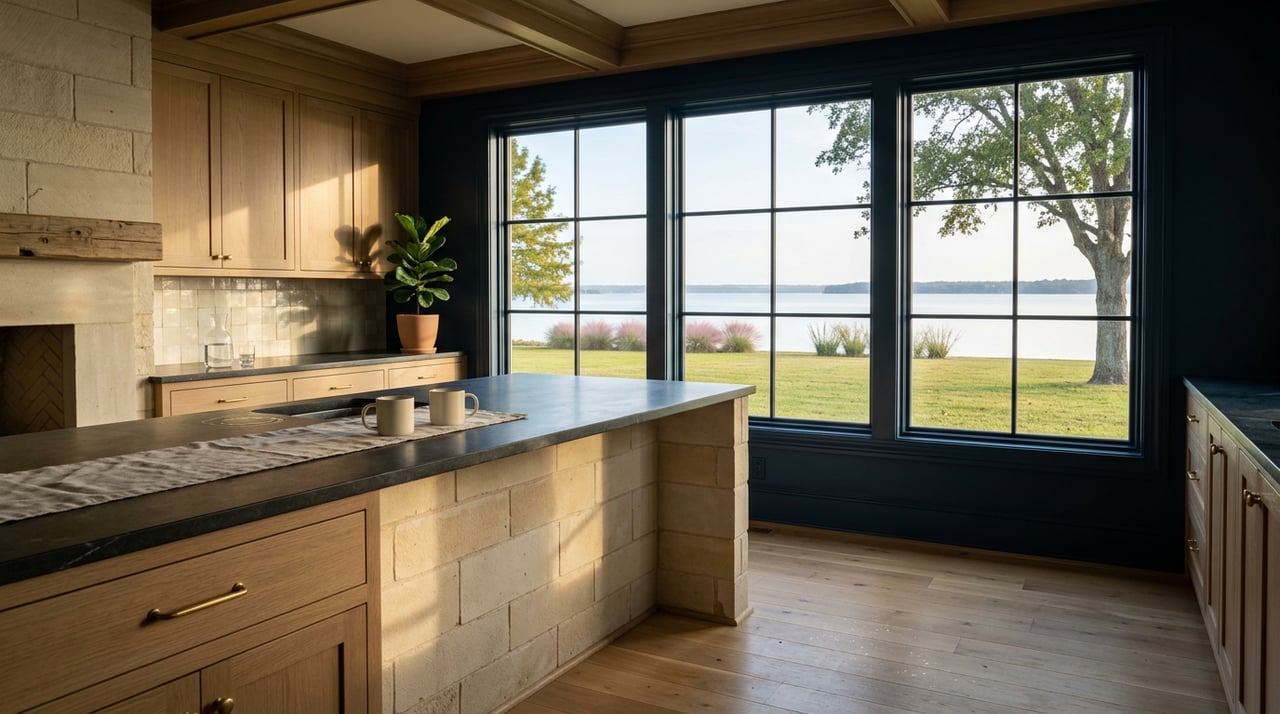
Before you add a single shelf, the most important decision is where the library lives. Light, acoustics, and access all determine whether a reading space becomes a hideaway or a room you walk past. At Richland Chambers Lake, positioning a reading chair or window seat to face the water turns a home library into one of the most coveted spaces in the house.
What Makes a Location Work
- Natural light is the most valuable asset in any reading space; north-facing windows offer the most consistent, glare-free light throughout the day, though any window is better than none
- Acoustic separation from the main living areas, even just a door between the library and the kitchen, makes the space feel like a true retreat
- Temperature matters more than it seems; a room you want to sit in for two hours needs to be comfortable in both summer and winter, which can be a real consideration in lake homes with variable climate zones
- The size of the space is less important than how it's fitted; a 10-by-10 room with floor-to-ceiling built-ins and one great chair will outperform a large loft with a freestanding bookcase against one wall
Build the Right Shelving
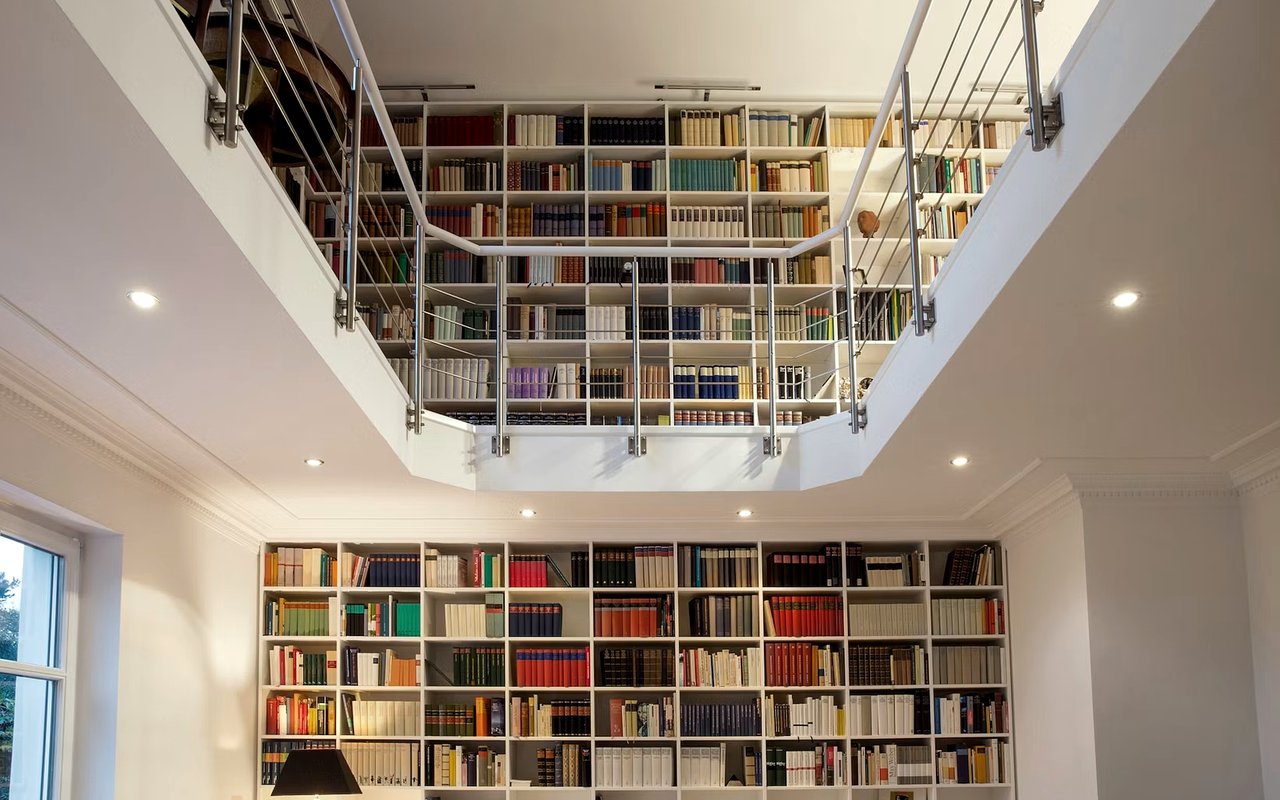
Shelving is the functional and visual anchor of any home library. Built-in shelving reads as architectural, maximizes every inch of wall space, and adds permanent value to the home. Freestanding shelving is more flexible and works well in spaces where you're not ready to commit to a permanent installation.
Shelving Decisions That Make a Difference
- Floor-to-ceiling built-ins make any room feel larger and more purposeful; in a lake home where square footage is at a premium, maximizing vertical space is especially smart
- Mixing open shelving with closed cabinet sections at the base gives you display space for books and art while concealing the less visually appealing storage that every reading space needs
- Leave intentional space for non-book objects: a small plant, a framed piece, or a decorative item breaks up the visual weight of a fully loaded shelf and keeps the space from reading as a storage wall
- Organize by color, genre, or size, depending on how you actually use the collection; color gradients look great in photos, but can make finding a specific book frustrating in daily use
Lighting and Seating Are the Details That Matter Most
A home library with poor lighting and an uncomfortable chair doesn't get used, regardless of how beautiful the shelving is. These two elements, almost always the last to be considered, should actually be the first things budgeted for.
The Lighting and Seating Details to Get Right
- Layer your lighting: ambient overhead for the room, a task floor lamp or reading lamp positioned directly over the primary seat, and accent lighting inside or above shelving for evening ambiance
- Adjustable arm floor lamps are the most functional reading light and let you position the source precisely without any rewiring; look for bulbs in the 2700 to 3000 Kelvin range for warm, comfortable light
- Test the primary chair before you buy it; reading comfort depends on lumbar support, seat depth, and armrest height in ways that are impossible to evaluate from a product photo online
- A small side table at the right height next to your reading seat, for a drink, a bookmark, or a lamp, is one of the simplest additions that makes a library feel complete rather than improvised
FAQs
Does a home library add value to a lake house at Richland Chambers?
A well-executed library or reading room adds real lifestyle appeal, and for the second-home and retirement buyers who make up much of the Richland Chambers market, a quiet retreat space is a draw. It's the kind of room that makes buyers slow down and imagine themselves in the home, which is exactly what a showing needs.
What if I don't have a dedicated room for a library?
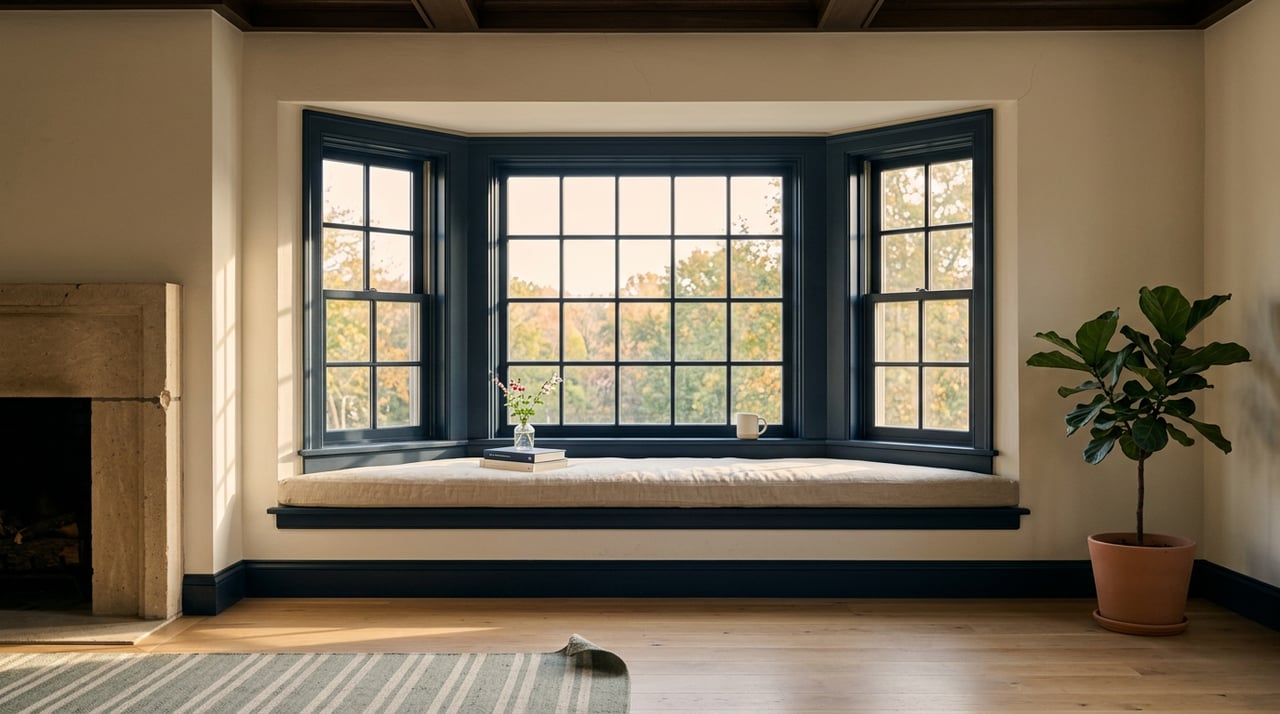
A dedicated room is ideal but not required. A deep window seat with built-in bookshelves on either side, a reading corner in the primary bedroom, or a built-in bookcase wall in a study alcove can create the same feeling. The key elements are intentional shelving, good lighting, and a place to sit comfortably.
What should I do with books I'm not keeping when setting up a new library?
The Corsicana Public Library and local libraries in surrounding communities accept book donations in good condition. Clearing your collection down to the books you actually read and value makes the shelving look better and makes the space function better; a curated library reads as more intentional than a full one.
Connect With The Teel Team
If you're searching for a lake home at Richland Chambers with the space and character to support the life you're imagining, we can help you find it. We know this market and the homes in it at a level that makes the search faster and the decision more confident.
Reach out to us at The Teel Team whenever you're ready.
Reach out to us at The Teel Team whenever you're ready.